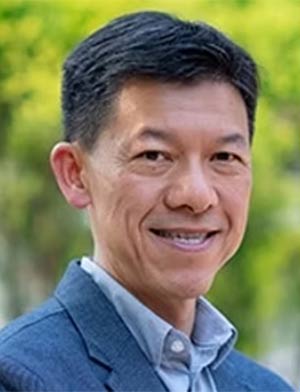
Professor Terry Lum holds the Henry G. Leong Professorship in Social Work and Social Administration at the University of Hong Kong. His primary research interest is aging policy. He is a member of the Chief Executive Policy Unit and the Our Hong Kong Foundation Research Committee. He directs several large-scale social care interventions, including the JC JoyAge and GrandMove projects. Internationally, he is a member of two WHO committees on healthy aging and the global long-term care network, and a commissioner of the Lancet Commission on Person-centred Long-term Care. His contributions to the field have been recognized through his election as a fellow of the Gerontological Society of America in 2011, the prestigious Career Leadership Award by the Association of Gerontology Education in Social Work in the United States in 2016, the Kim-Koo-NTU Professorship in Taiwan in 2024, and the HKU Knowledge Exchange Excellence Award in 2024.
Harnessing the connected electronic health and social care records to advance Integrated Care in an Aging Society
As populations age, the need for integrated, person-centered care becomes increasingly critical. Harnessing connected electronic health and social care records offers a transformative opportunity to advance integrated care for older adults. By linking clinical, social, and primary care data, we can enable proactive, preventive interventions, streamline long-term support, and improve coordination across all care settings. This presentation explores strategies for leveraging interoperable data systems to bridge healthcare, primary care, and social care, highlighting how real-time information sharing enhances decision-making, reduces fragmentation, and promotes healthy aging. We will discuss key enablers — such as governance, data standards, and analytics — and present examples of how integrated records can drive better outcomes and improve the quality of life in an aging society.