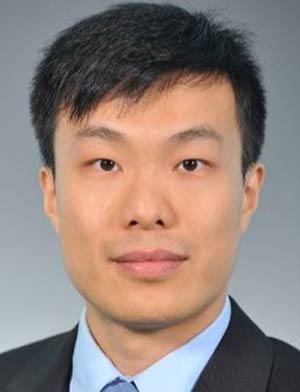
Gary K. Ng, PhD, MBA, is a life sciences leader bridging science, business, and innovation, with over 15 years of experience in technical and commercial roles across Silicon Valley and Boston. Trained as a chemist, he has driven transformative growth in startups and biotechs spanning drug discovery, biologics, automation, and single-cell technologies. Gary contributed to two landmark corporate events—XtalPi’s IPO (the first under Chapter 18C) and Abveris’s $190M acquisition by Twist Bioscience—leading commercialization, strategic marketing, and brand transformation. As the CEO & Co-founder of Precision BioAnalytics, he is pioneering a next-gen single-cell metabolomics platform to empower precision medicine research in hospitals and academia globally. His previous leadership roles consistently delivered new products, global BD expansion, and significant revenue growth. With cross-border experience between the US and China, and collaborations with leading advisors from Harvard, Tsinghua, CityU HK, and others, Gary combines multicultural insight with scientific and commercial excellence.
Novel Bioengineering Development Using A.I. for Medical Research
Advancements in engineering and artificial intelligence (AI) are catalyzing a paradigm shift in medical research, bringing us closer to the promise of precision medicine. While genomics and proteomics have provided a foundational framework—leading to transformative immunotherapeutics such as Keytruda—they do not capture the full complexity of cellular function. Metabolomics, the study of small molecules, offers a direct readout of cellular phenotypes and represents the next frontier in the multiomics revolution. However, traditional bulk analysis methods obscure critical cell-to-cell variations that underpin disease progression and therapeutic resistance.
This presentation explores the transformative impact of novel engineering and AI technologies across omics research, with a special emphasis on single-cell metabolomics. Cutting-edge single-cell mass spectrometry imaging and ultra-sensitive sampling systems have begun to overcome the technological bottleneck of profiling metabolites within individual cells. These innovations generate high-dimensional datasets that can only be interpreted effectively through advanced AI and machine learning (ML) approaches. We will discuss how AI/ML algorithms enable the processing of this complex data to identify distinct cellular subpopulations based on their metabolic signatures—insights that were previously unattainable.
A key focus will be the application of these integrated technologies in oncology. We will present case studies demonstrating how single-cell metabolomics can reveal rare cell populations responsible for drug resistance—phenomena often undetectable through genomic or bulk metabolomic analyses. By dissecting cellular heterogeneity, we can develop new strategies to identify novel, high-fidelity biomarkers for early diagnosis and pinpoint metabolic vulnerabilities that may be exploited for next-generation therapeutics. This presentation illustrates how the fusion of single-cell analysis, engineering, and AI is unlocking an unprecedented understanding of disease mechanisms and paving the way for more effective, personalized treatments.